Steps to take if your child has a raised blood lead level
If someone is in contact with lead it can harm their health. This can be if they have been in contact with lots of lead or a small amount over a long time. We know that lead can affect whether children grow and develop healthily, even though you cannot always see these effects.
Your doctor will talk to you about why this test was taken, what the result means and any health concerns you may have.
Follow the steps outlined below to protect your child and other family members from coming into contact with lead
Public Health Wales may also contact to understand more about how your child might have been in contact with lead.
How could my child have come into contact with lead?
Someone can get lead into their body if they eat it (lick / mouth / chew), drink it or breathe it in. In the UK, a child may have come into contact with lead through:
- Putting things containing lead in their mouth
- Unsafe non-food things like soil, dust, old toys or painted objects, or things that have been made abroad and don’t meet UK or EU standards
- Traditional medicines, spices or food, which have been brought from another country; or food that has been cooked in pots that contain lead.
- Old pipes or paint
- Drinking tap water that has come through a lead pipe or where lead solder has been used - this usually only happens in older homes.
- Lead was regularly used to make paint in the past. Chipped paint and decorating can release old paint or paint dust in the home, which a child could then get in their mouth or breathe in.
- Being around lead brought into the home through work or hobbies
- Children can come into contact with objects, dust or fumes containing lead that are to do with an adult’s work or hobbies (such as battery recycling, plumbing, roofing, shooting, making and using fishing weights and cast models, or making stained glass).
What can I do to help stop my child coming into contact with lead?
Children who put unsafe non-food things in their mouth are more likely to be exposed to lead. Here are some steps you can take to help your child reduce this:
|
Stopping harmful behaviours |
Gently block your child from placing unsafe non-food things (such as soil) in their mouth. |
|
Try to stop your child picking, biting or chewing painted areas or things. |
|
|
Keep unsafe non-food things that your child often attempts to put in their mouth out of their sight and reach (e.g. in a locked cupboard). |
|
|
Keep floors clear of items that your child might put in their mouth from the floor. |
|
|
Supporting better behaviours |
Teaching your child the difference between what is and isn’t food (e.g. giving them rewards when they choose food over non-food; helping them to sort food and non-food into different boxes) |
|
Reward your child for not eating non-food items for a set period of time |
|
|
Reward your child when they ask for safe alternatives to unsafe non-food items |
|
|
Teach your child where they can find safe alternatives to unsafe non-food things |
|
|
Give your child safe chew toys or sensory toys (make them readily available, or swap unsafe options for these when you notice your child with them). |
|
|
Regularly wash your child’s hands with soap and water. |
|
|
Make snacks that feel similar to the unsafe non-food items your child likes available at regular intervals. |
The things we bring into our homes can also expose children to lead. Here are some changes you can make in and around your home to reduce your child’s contact with lead:
|
Toys |
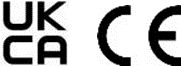
Check that your child’s toys are safe –
|
|
Water |
Only use water from the cold tap for drinking, cooking and making baby formula.
If you would like to have your water supply tested for lead, you can speak to your water company about how to arrange this, or your local authority if you use a private water supply. |
|
Food preparation & medicine
|
Only buy medicines, spices, foods, or cooking equipment from UK suppliers that sell things which meet UK safety standards. |
|
DIY & Decorating |
Be careful if you are doing DIY or decorating. If your child is picking at paintwork, and the house was built before the 1960s, it is possible they will be eating flakes of lead paint from lower layers of paint that have not been completely removed. Dust created when removing lead paint can release more lead, removal should only be done by a professional who specialises in testing for lead paint and then removing it safely. There are companies across Wales that offer this service. The best short term mitigation methods are to prevent access to the room, block the paint area with furniture or cover it with Perspex or plastic. |
|
Work and hobbies |
If you work with lead or use it in your hobbies, take care to make sure your family doesn’t come into contact with lead, lead fumes or dust, and follow health and safety advice (click here for practical steps you can take). |
Following these steps will help protect your child and family members from coming into contact with lead.
Follow these links for more information:
Public Health Wales: Lead exposure
Water Health Partnership for Wales: Lead in drinking water factsheet